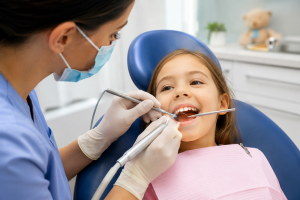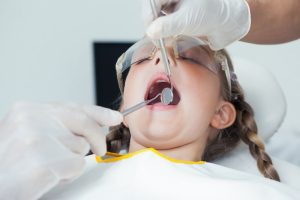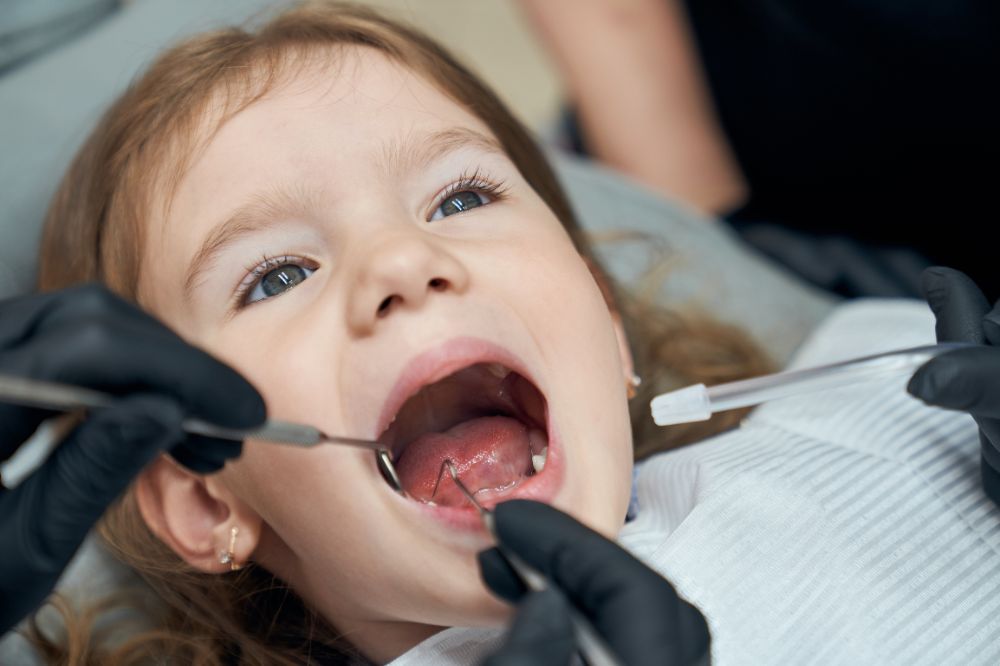
Children may sometimes need fillings when cavities damage their teeth. It is common to worry about how this treatment might affect daily habits like speaking or eating. Visiting a pediatric dentist near you can help answer these questions and make sure children receive the right care to keep their teeth healthy.
When a tooth has decay, the damaged area must be removed and filled to protect the tooth. This treatment helps prevent further damage and restores the shape and strength of the tooth. Once the filling is placed, most children return to normal activities such as chewing and talking.
Understanding Pediatric Fillings
Cavities can develop in children for many reasons, including sugary foods, poor brushing habits, or bacteria in the mouth. Pediatric fillings near you are used to repair these cavities and protect the tooth from further decay.
The dentist removes the damaged portion of the tooth and places a filling material to restore the surface. This allows the child to chew properly and prevents the cavity from spreading deeper into the tooth.
Why Fillings Are Important For Children
Healthy teeth play an important role in a child’s development. They help children chew food properly and guide permanent teeth into the correct position. Treating cavities early helps maintain these important functions.
Common benefits of fillings include:
- Restoring the shape of the tooth
- Preventing further tooth decay
- Supporting proper chewing
- Helping maintain normal speech
- Protecting nearby teeth from infection
With proper care, fillings can help children maintain healthy teeth and avoid more complex dental treatments.
Can Fillings Affect Chewing In Children
Parents often ask whether fillings can affect chewing in children after treatment. In most cases, children adjust quickly once the filling is placed. The tooth returns to its natural shape, allowing normal chewing to continue.
However, children may notice small changes at first. These changes are usually temporary while the mouth adjusts to the restored tooth.
Some children may experience:
- Slight sensitivity while chewing
- Mild discomfort for a short time
- A different feeling when biting down
These sensations usually improve within a few days as the child becomes used to the filling.
How Fillings May Influence Speech
Teeth play an important role in forming certain sounds while speaking. When a cavity is repaired, the tooth structure is restored. This helps maintain proper tongue placement during speech.
In most cases, fillings do not negatively affect how children talk. Instead, restoring the tooth can make it easier for the mouth to function normally.
Children usually adapt quickly because the filling restores the natural shape of the tooth. Once the mouth adjusts, speech patterns typically remain the same.
Helping Children Adjust After Fillings
Some children may notice a different feeling in their mouth after getting a filling. This is normal while the mouth gets used to the repaired tooth.
Helpful tips include:
- Eating soft foods for a short time
- Avoiding very hard or sticky foods at first
- Chewing gently on both sides of the mouth
- Brushing and flossing teeth regularly
These simple steps can make the adjustment period easier and more comfortable.
When Parents Should Contact The Dentist
Most children adjust quickly after getting a filling. However, parents should still watch for any unusual signs after the treatment.
Some signs that may need attention include:
- Pain while chewing that does not go away
- Sensitivity that lasts for several days
- Trouble biting food comfortably
- Swelling around the treated tooth
If any of these symptoms occur, visiting a pediatric dentist in Atlantic Beach can help ensure that the filling is functioning properly.
Importance Of Regular Dental Visits
Routine dental visits help detect cavities early and prevent larger dental problems. Regular checkups allow the dentist to monitor how children’s teeth are growing and developing.
Early treatment helps children chew food properly and speak clearly. Preventive care also helps kids learn good dental habits that keep their teeth healthy for many years.
Support For Your Child’s Dental Health
We at Fishman Pediatric Dentistry provide gentle care for children at every stage of their dental growth. We explain treatments in simple words and help children feel comfortable during their visits. Schedule your child’s appointment today and help protect their healthy smile.
Frequently Asked Questions
Do fillings hurt children?
Most fillings are done using numbing medicine, so children usually feel little or no pain during the treatment.
Can fillings affect chewing in children?
Some children may feel a small change while chewing at first, but it usually gets better as the mouth gets used to the filling.
How long do pediatric fillings last?
With good brushing and regular dental care, fillings can last for many years.
When should a child see a pediatric dentist?
Children should begin dental visits early so the dentist can monitor tooth development and prevent cavities.