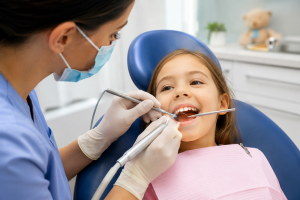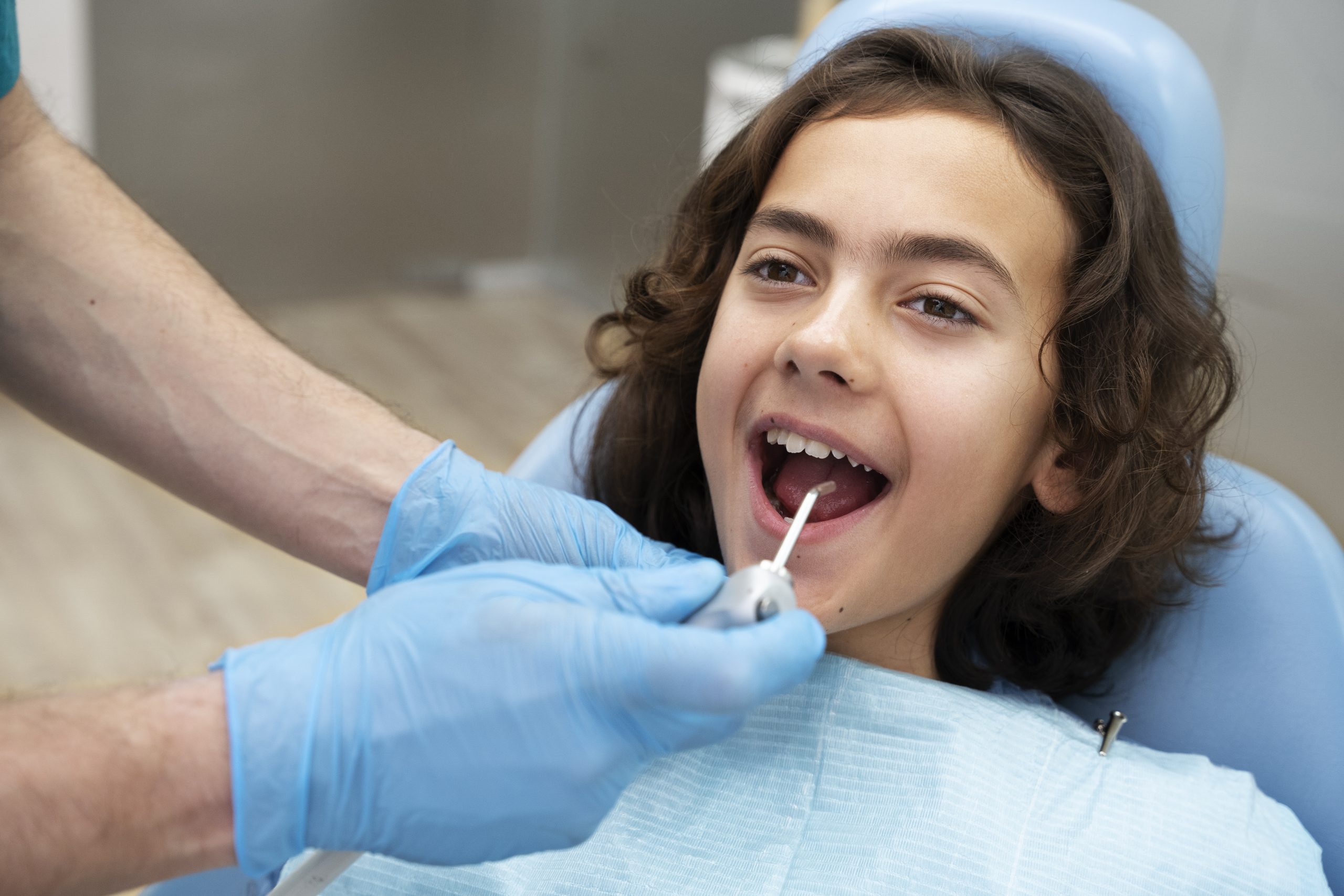
Parents often worry when a toddler needs dental work at such a young age. It is natural to wonder if a small child can handle a dental repair safely. Finding a trusted pediatric dentist in Atlantic Beach can help provide peace of mind during these early visits. Experts in early childhood mouth care understand how to keep little one’s calm and comfortable while ensuring their primary teeth stay healthy and strong.
Why Do Baby Teeth Need Fillings?
Because baby teeth eventually fall out, they do not need much attention. However, primary teeth serve a very important role in a child’s development. They hold the space for adult teeth that are still hiding under the gums. If a cavity stays in a baby tooth, the decay can spread quickly and cause a lot of pain. Keeping these teeth healthy helps a child eat comfortably and learn to speak clearly.
When a parent looks for pediatric fillings for kids near you, they are choosing to protect their child’s future smile. A filling stops a cavity from getting bigger and reaching the nerve of the tooth. If an infection goes too deep, it can even harm the permanent tooth growing underneath. Fixing the problem early is a gentle way to prevent much bigger dental issues as the child grows.
Understanding Pediatric Dental Fillings Safety
Safety is the top priority for any dental professional working with young children. Modern materials used for children are non-toxic and very durable. Most offices use white resin that blends in with the tooth, so it looks completely natural. Regarding pediatric dental fillings’ safety, dentists use special tools designed for smaller mouths and follow strict rules to keep the environment clean and secure.
- Quick Process: Repairs for toddlers are usually very fast to match their short attention spans.
- Gentle Numbing: Dentists use special gels to numb the area before any work begins so the child feels no pain.
- Safety Shields: Small rubber sheets are often used to prevent the child from swallowing any water or materials.
How Do Dentists Keep Toddlers Calm?
A pediatric dental office is designed specifically to make children feel at home. The rooms often have bright colors, toys, or movies to distract the little patient. Dentists who work with three-year-olds use “Tell-Show-Do” methods. They explain what a tool does in fun, non-scary words, show it to the child, and then perform the task quickly. This building of trust helps a child feel brave during their appointment.
What Are the Different Options for Filling a Tooth?
Depending on where the cavity is located, different options might be used. For a tiny hole on a back tooth, a simple white filling works wonders. If the decay is on a front tooth, the dentist will shape the material to look just like the rest of the smile. Sometimes, if a cavity is very large, a silver-colored cap might be suggested to keep the tooth from breaking apart before it is ready to fall out on its own.
Preventing Future Cavities in Toddlers
After a filling is placed, the goal is to prevent new ones from forming. At age three, children are still learning how to brush properly. Parents should lead the way by brushing for them twice a day using a tiny bit of fluoride toothpaste. Reducing sugary juices and sticky snacks also keeps the enamel strong and healthy.
- Brush Twice Daily: Spend two minutes cleaning every surface of every tooth.
- Drink Water: Water washes away food bits and keeps the mouth hydrated.
- Regular Visits: Seeing a professional every six months helps catch tiny spots before they become big cavities.
The Role of the Parent During the Visit
Your child looks to you to see how to react. If you stay calm and use happy words, your toddler will likely feel more relaxed. Avoid using words like “shot” or “drill,” as these can be scary. Instead, talk about “cleaning out sugar bugs” or “giving the tooth a shiny new coat.” Being a supportive partner in the room helps the dentist work safely and efficiently.
Taking care of a three-year-old’s teeth is a team effort between the family and the pediatric dental office near you to ensure a healthy future. By addressing cavities early, you ensure that your child grows up with a positive view of dental health. A healthy mouth at age three sets the stage for a lifetime of happy, confident smiles.
Building Confidence with Every Smile
Our team loves helping little ones discover that going to the dentist can be a fun and easy experience. We provide a warm, friendly space where your child’s safety and comfort always come first. Let us help you keep those tiny smiles bright and healthy for years to come.
Call us today to schedule a friendly visit at Fishman Pediatric Dentistry!
Frequently Asked Questions
-
Will my 3-year-old need to be put to sleep for a filling?
Most toddlers do very well with just local numbing and a little bit of “laughing gas” to stay relaxed. General anesthesia is usually only used for very large amounts of work or if a child is extremely anxious and cannot stay still.
-
How long does it take to get a child’s filling?
The actual process of placing the filling usually takes about 15 to 20 minutes. Because toddlers move around, dentists work quickly to ensure the job is done right while the child is still comfortable.
-
What happens if we wait for the baby tooth to fall out?
Waiting can be risky because baby teeth have very thin enamel. A small cavity can turn into a painful infection or an abscess in a short amount of time. This can cause the child a lot of pain and might lead to an emergency tooth removal.
-
Can my child eat right after getting a filling?
It is usually okay to eat once the numbing feeling goes away. It is a good idea to start with soft foods like applesauce or yogurt to make sure they do not accidentally bite their lip or tongue while the mouth is still feeling sleepy.