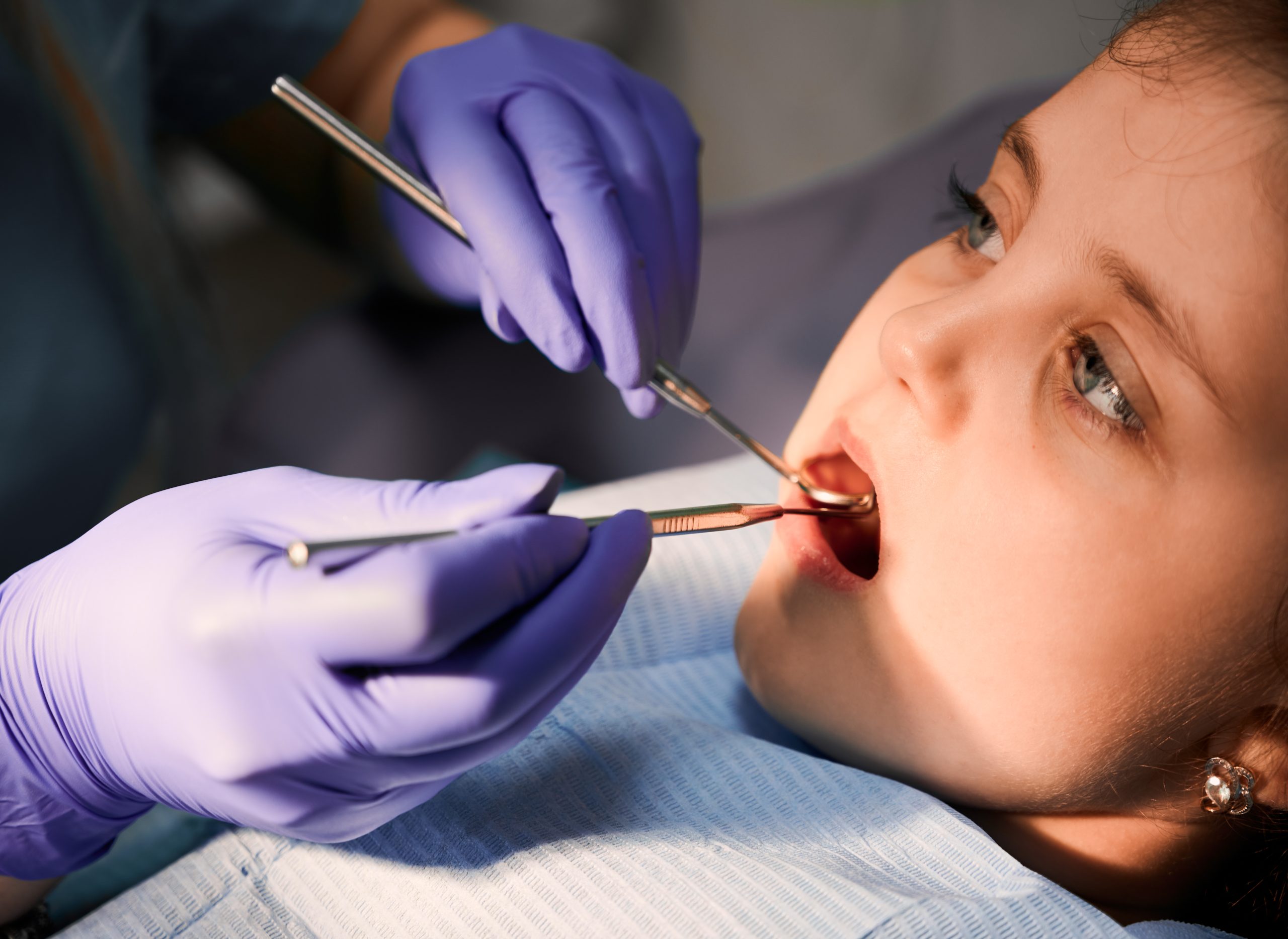
When you take your child for a check-up, you might hear the team talk about the number seven. This number is a big deal in kids dentistry in Jacksonville because it marks two important milestones.
First, it is the age when many kids should have their first check on how their jaw is growing. Second, it is the name of a specific adult tooth.
Understanding these “sevens” helps you stay ahead of your child’s health and makes sure their adult teeth grow in the right spots.
Why Is Age Seven A Big Milestone?
The experts say every child should see an orthodontic specialist by age seven.
By this time, enough adult teeth have grown in to see how the mouth is shaping up. Even if their teeth look straight to you, there could be hidden issues.
- Jaw Shape: Checking if the top and bottom teeth line up correctly.
- Room to Grow: Seeing if there is enough space for all the adult teeth.
- Habits: Looking for any damage from thumb sucking.
- Early Fixes: Fixing small things now can mean less time in braces later.
Meeting Tooth Number Seven
When you look for a kids dentistry near you, you might hear the staff call out numbers during a check-up.
They use a special system to name every tooth. Tooth number seven is the upper right lateral incisor. This is the tooth right next to the two big front teeth. It is very important for a child’s smile and helps them bite into food.
If this tooth is small or missing, the team will make a plan to keep the smile looking great.
Keeping The New Molars Safe
Around age six or seven, the first permanent molars grow in the back. Because these teeth are new and have deep grooves, many parents get dental sealants for kids in Jacksonville to keep them safe. These sealants act like a shield to block out food and sugar.
Even though they are in the back, they are sometimes called “sevens” in different naming systems. Protecting them now helps prevent cavities for the rest of their life.
How Teeth Get Their Numbers
It can be a bit confusing to hear numbers being called out. Most offices use universal tooth numbering to keep track of every tooth in your child’s mouth. In this system, teeth are numbered 1 to 32 for adults.
- Tooth 7: The upper right tooth next to the front ones.
- Tooth 8 and 9: The two big “bunny” teeth in the front.
- Tooth 10: The upper left tooth next to the front ones.
- Lower Teeth: These have higher numbers, starting from 17 and going to 32.
Comparing Age 7 And Tooth 7
This table shows the two different ways the “number seven” matters at the office.
| Feature | Age 7 Milestone | Tooth Number 7 |
| What is the goal? | Checking the jaw and bite | Biting food and smiling |
| Tooth Type | Baby and adult teeth | A permanent front tooth |
| Location | The whole mouth | Upper right side |
| What to do? | Get a growth check | Brush and floss daily |
| Common Issue | Crowded teeth | Growing in crooked |
Why The Lateral Incisors Matter
Tooth number seven is one of the most visible teeth when your child laughs.
Since it is right in the front, its size and shape matter a lot. Sometimes, these teeth grow in a little crooked or get stuck behind other teeth.
If there isn’t enough room for tooth number seven, it can push the big front teeth out of line. Finding these small shifts early makes it much easier to fix the smile without needing surgery later.
Checking For Missing Teeth
Some children are born without certain adult teeth. The lateral incisor (tooth number seven) is one of the most common teeth to be missing from birth.
If your child is missing this tooth, the team has many ways to help:
- Save the Space: Keeping a gap open so a fake tooth can be put in later.
- Close the Gap: Using braces to move the other teeth together naturally.
- Reshaping: Making another tooth look like the missing one.
- X-rays: Taking pictures to see if the tooth is just late or not there at all.
Helping Your Child Grow
When a child is seven, they lose baby teeth and get adult teeth very fast. This can make their mouth feel a bit sore. It is a great time to get a new, bigger toothbrush and make sure they reach all the way to the back.
Adult teeth often look a little more yellow or have bumpy edges at first. This is normal! They will settle in soon to create a strong, healthy adult smile.
A Healthy Start For A Bright Future
At Fishman Pediatric Dentistry, we love helping kids feel happy about their smiles. Our team is here to guide you through every big step, from the first lost tooth to those big permanent molars.
We believe that knowing how your child’s mouth grows is the best way to keep them healthy for life.
Whether you have questions about tooth numbers or growth checks, we offer gentle care in a fun place. Reach out to us today to start your child’s dental journey!
FAQs
Why does every tooth have a number?
Numbers help the dental team keep perfect notes. It makes sure everyone knows exactly which tooth needs a cleaning or a check-up, so no mistakes are made.
Does my child need braces at age seven?
Most kids don’t need full braces yet, but some might need a “palate expander.” This helps make the jaw wider while the bones are still soft and easy to move.
What if tooth number seven looks like a peg?
It is common for this tooth to be small or pointed. This is called a “peg lateral.” A dentist can easily add a little tooth-colored material to make it look just like a normal tooth.
Is it okay if baby teeth haven’t fallen out by age seven?
Every kid grows at their own speed. Usually, there is no reason to worry. An X-ray can show if the adult tooth is waiting underneath and ready to come out soon.