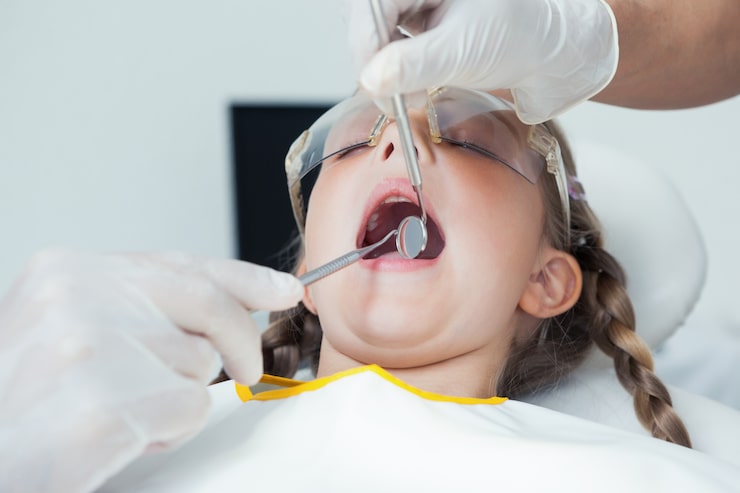
If your child’s dentist has recommended a filling for a baby tooth, your first reaction might be to wonder whether it is really necessary. After all, baby teeth fall out anyway—so why go through the trouble of filling them? It is a very common question, and the answer matters more than most parents expect.
As a pediatric dentist in Jacksonville Beach will tell you, treating cavities in baby teeth is important for your child’s long-term oral health—and waiting can make things worse.
Why Do Baby Teeth Need Fillings?
Baby teeth are not just temporary placeholders. They play a very important role in your child’s development.
They help your child:
- Chew food properly so they get the nutrients they need
- Speak and form words clearly
- Hold the space in the jaw for the adult teeth growing underneath
- Smile with confidence during the important early years
When a cavity is left untreated in a baby tooth, it does not just sit there. It grows. The decay spreads deeper into the tooth, causes pain, and can lead to infection. A tooth that could have been saved with a simple filling may end up needing to be removed entirely.
Losing a baby tooth too early — before it is ready to fall out naturally — can cause the surrounding teeth to shift and block the path for the adult tooth underneath. This often leads to crowding and the need for orthodontic treatment later.
What Are Pediatric Fillings?
Pediatric fillings in Jacksonville Beach are restorations specifically designed for children’s teeth. The most commonly used material is tooth-colored composite resin, which blends in naturally with the tooth and is safe for children.
In some cases, stainless steel crowns are recommended—particularly for back teeth with larger cavities that need more durable protection. Your child’s dentist will choose the most appropriate material based on the size and location of the cavity.
What Does the Filling Appointment Look Like?
Most parents feel nervous about bringing their child in for a filling. Knowing what to expect helps.
Before anything begins, a dentist near you experienced in working with children will take time to talk to your child in a calm, friendly way. Many pediatric dental offices use a technique called
Tell-Show-Do — explaining what will happen, showing the child the tools, and then gently proceeding.
Local anesthetic is used to numb the area, so your child does not feel any pain during the procedure. A small amount of the decayed tooth material is removed, and the filling is placed and shaped to fit naturally.
Most children are surprised by how quick and simple the experience is. A good pediatric dental team makes a big difference in how comfortable and confident a child feels throughout.
How to Help Your Child Before and After the Appointment
Pediatric fillings near you are more manageable when children feel prepared and supported.
Before the appointment:
- Use calm, positive language—avoid words like “hurt” or “needle.”
- Tell your child the dentist is going to help keep their teeth healthy and strong
- Avoid sharing your own dental anxieties in front of your child
After the appointment:
- Offer soft foods for the rest of the day while the area is still numb
- Tell your child that when it still feels “funny,” not to bite his or her lip or cheek
- Be sure to praise them for sitting so still and doing a good job
Preventing New Cavities
Once the filling is in place, preventing new cavities from forming is the next priority.
Here are some simple steps that make a real difference:
- Help your child brush their teeth twice a day until they are old enough to do it well on their own
- Start flossing as soon as two teeth are touching
- Limit sugary snacks and drinks—especially between meals
- Make sure your child drinks water with fluoride
- Bring your child to their dentist every six months for check-ups and professional cleanings
Early habits built in childhood tend to stick. Teaching your child to care for their teeth now gives them the foundation they need for a lifetime of good oral health.
Your Child’s Smile Is in Good Hands — Visit Fishman Pediatric Dentistry
A cavity in a baby tooth is not something to push to the back of the list. Treating it early is always simpler, faster, and easier on your child than waiting for the problem to grow.
At Fishman Pediatric Dentistry, the team specializes in making every child feel safe, calm, and at ease during every visit—including fillings. If you have concerns about your child’s teeth or have been told a filling is needed, book your appointment today. Early care is the kindest thing you can do for your child’s smile.
Frequently Asked Questions
Q1: Is a filling painful for the child?
Before the filling process begins, a local anesthetic will be used to numb your child’s mouth. They will not feel pain while the filling is done, though they might feel some vibration or pressure; however, for the majority of children, this procedure is easier than they expect.
Q2: How long does the pediatric filling appointment last?
Most of the children’s filling appointment takes between 30 and 60 minutes to complete, depending on the size of the cavity and its position. Usually, the visit is simple and fast.
Q3: What if my child is very nervous about getting a filling?
Let the dental team know ahead of time. Pediatric dental offices are experienced in helping anxious children feel comfortable. In some cases, sedation options may be available for children who need extra support.
Q4: Will cavities in baby teeth cause cavities in permanent teeth?
A permanent tooth cannot be infected with a cavity in the baby tooth. Leaving a baby tooth infected will provide an environment where the adult tooth developing beneath it will be more prone to decay. Prompt treatment of the baby teeth cavities prevents infection of the entire mouth.